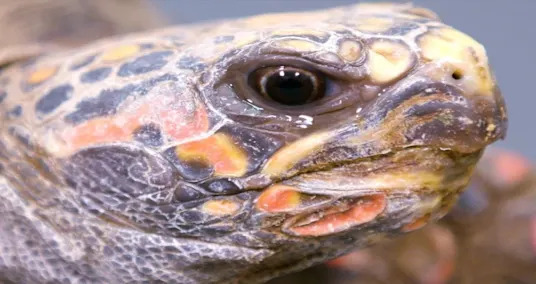
The radiated tortoise is one of the most striking reptiles on Earth, yet it is now facing a serious threat to its survival. Found only in the dry southern forests of Madagascar, this species has experienced a dramatic population decline over the past decade. Experts estimate that its numbers have dropped by nearly half, raising urgent concerns among conservationists. Known for its beautiful shell with bright yellow star patterns, the radiated tortoise is both visually unique and biologically remarkable. Its domed shell is not just protective but also sensitive, containing nerves and blood vessels that allow it to feel touch. These tortoises are also known for their exceptional longevity, with some individuals living well beyond a century. One recorded tortoise even reached an estimated age of 188 years, highlighting the species' long life cycle and slow reproduction rate. However, these same traits also make recovery from population loss extremely difficult, increasing the risk of extinction if current trends continue.
The primary drivers behind the decline of the radiated tortoise are human activities, particularly hunting and illegal trade. In parts of Madagascar, the tortoise is hunted for its meat, which is considered a delicacy despite legal protections. At the same time, its beautifully patterned shell has made it highly desirable in the illegal pet market. Conservation groups estimate that hundreds of thousands of these tortoises are removed from the wild each year, a rate that the population cannot sustain. The combination of poaching and trafficking has devastated natural populations and disrupted ecosystems where the species plays an important role. Without immediate intervention, experts warn that the radiated tortoise could face extinction within the next two decades. Conservation efforts are underway, focusing on habitat protection, stricter law enforcement, and raising awareness about the consequences of wildlife exploitation. The story of the radiated tortoise serves as a powerful reminder of how quickly human actions can threaten even the most resilient species. Protecting it will require global attention and long term commitment.
LATEST POSTS
- 1
 'The best gift ever': Baby is born after the rarest of pregnancies, defying all odds
 - 2Research highlights potential dangers of ultra-processed foods for women under 50 regarding precancerous polyps
- 3Hungary's 'water guardian' farmers fight back against desertification
- 4The Craft of Computerized Detox: Individual Trials
- 5Vote In favor of Your Favored Pet Consideration Administration


- Washington state experiences historic flooding as Skagit River hits record high level. See flooding maps, highway closures and forecasts.
- Germany's first Omani LNG shipments arrive despite Middle East disruptions
- Figure out How to Assess the Unwavering quality of SUVs for Seniors
- How did Ariana Grande get her Glinda voice? I’m the man behind the magic.
- Display of Netanyahu's severed head 'incites public to murder PM', Likud says in official complaint
- Check out the exclusive pitch deck Valerie Health used to raise $30 million from Redpoint Ventures to automate healthcare faxes
- Make your choice for a definitive Christmas place to get-away!
- The most effective method to Go with Informed Choices on Vehicle Leases
- Sound Maturing: Wellbeing Tips for Each Life Stage